
 Posted by
 Author: xianfeng
The Role of the President: Focusing on National Issues, Not Abortion
The role of the U.S. president has always been to tackle pressing national challenges that affect the entire country—whether they involve the economy, national security, or international relations. Throughout American history, great presidents like Franklin D. Roosevelt, Dwight D. Eisenhower, John F. Kennedy, and Ronald Reagan focused their efforts on addressing large-scale issues rather than engaging in divisive social debates like abortion, which many argue could be better handled at the state or local level.
Franklin D. Roosevelt: Leading Through National Crisis
During the depths of the Great Depression, President Franklin D. Roosevelt confronted an economic collapse of unprecedented scale. His famous line, “The only thing we have to fear is fear itself,” from his 1933 inaugural address, set the tone for a presidency focused on restoring confidence in the American economy. Roosevelt’s New Deal programs, such as Social Security and infrastructure projects, aimed to get millions of Americans back to work and stabilize the country’s economic future. His presidency was entirely focused on national recovery and dealing with the international threats posed by World War II, not on social issues like abortion.

Dwight D. Eisenhower: Border Security and National Sovereignty
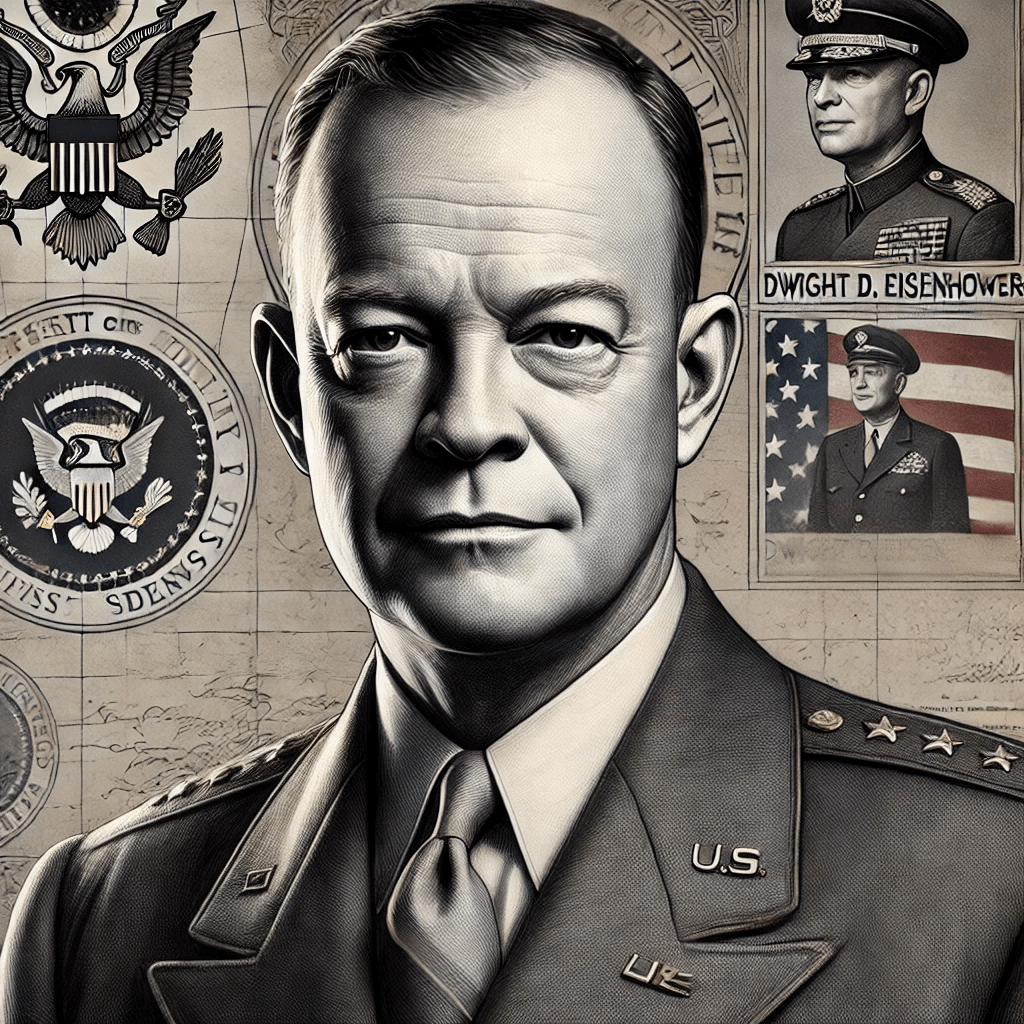
President Dwight D. Eisenhower confronted illegal immigration in a decisive manner with Operation Wetback in 1954, which sought to deport undocumented immigrants who were seen as taking jobs from American workers. Eisenhower believed in the importance of border control and national sovereignty, reflecting his commitment to upholding the law and protecting American jobs. His actions focused on national security and economic stability, key responsibilities of the federal government. While controversial, his approach shows a focus on issues that directly affect the national economy and the rule of law, which many consider more suitable for presidential attention than social issues like abortion.
John F. Kennedy: The Need for Progress
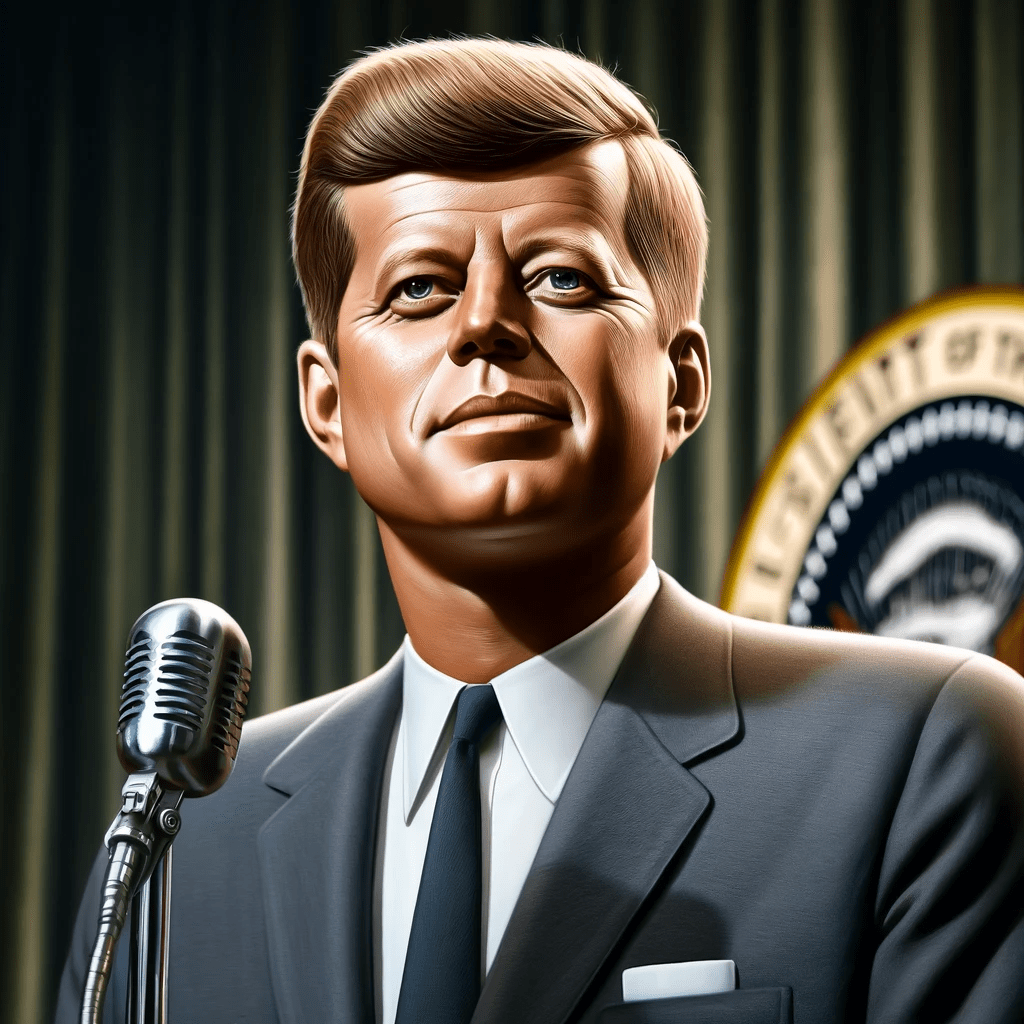
President John F. Kennedy, in the 1960 election, famously declared, “I am not satisfied” to emphasize the need for progress in economic growth, civil rights, and space exploration. Kennedy was deeply engaged with Cold War politics and the U.S. competition with the Soviet Union. His leadership during the Cuban Missile Crisis and his push to land a man on the moon reflected his focus on national and global issues. Kennedy saw the presidency as a vehicle for change on a large scale, and his focus was on innovation, defense, and international diplomacy, rather than polarizing social issues.
Ronald Reagan: Reviving the American Economy and Global Leadership
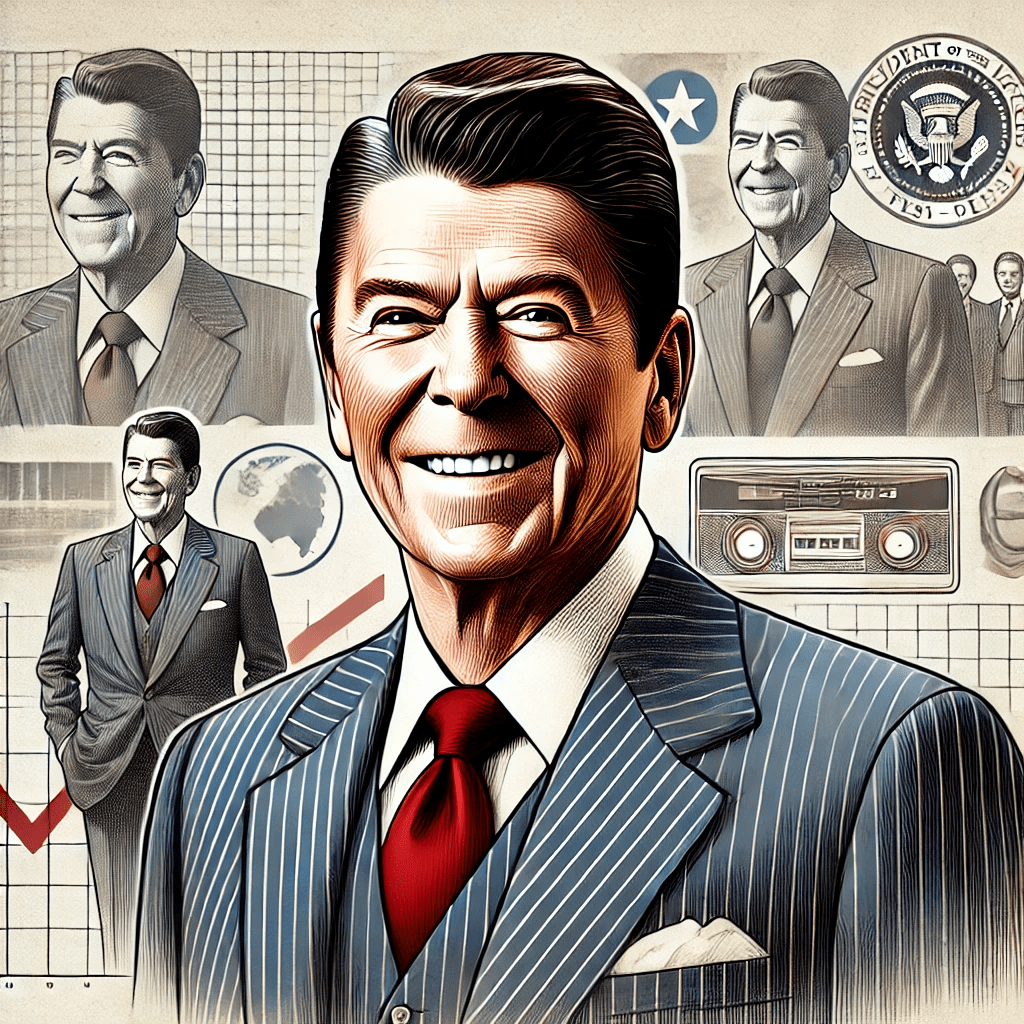
In the 1980s, Ronald Reagan faced an economic crisis with high inflation and unemployment. His famous debate question, “Are you better off than you were four years ago?,” challenged Americans to reflect on their economic situation. Reagan’s presidency focused on reducing inflation, cutting taxes, and increasing national defense to confront the Soviet Union. His philosophy of “Peace through strength” shaped foreign policy, emphasizing military power to secure national interests. While abortion became a political issue during his time, Reagan’s legacy was built on addressing the economic challenges and strengthening America’s global position.
Modern Immigration: A National Concern
Illegal immigration remains a significant national issue today, as many argue that it affects community safety, social welfare systems, and job markets. Like Eisenhower’s focus on deportation and border control, modern discussions on immigration often revolve around the role of the federal government in protecting borders and managing the flow of people into the country. With immigration’s impact on national resources and security, many view it as a core issue for the presidency to address, rather than more localized social issues like abortion.
Today’s Challenges: Tougher Than the Cold War Era
The U.S. today faces even greater challenges than it did during the Soviet era. The rise of global economic competition, technological warfare, climate change, and geopolitical instability means the president must focus more than ever on national security, economic resilience, and international cooperation. Addressing these large-scale issues is vital for ensuring America’s future stability and prosperity.
Conclusion
Throughout American history, the most impactful presidents have focused their leadership on solving national and international challenges, such as economic crises, border security, and global competition. While social issues like abortion are important, they may be more appropriately handled at the state or local level, allowing the president to concentrate on the broader concerns that affect the entire nation. The legacy of leaders like Roosevelt, Eisenhower, Kennedy, and Reagan reminds us that the presidency is at its best when it is focused on national unity, security, and prosperity.
In chinese: (中文, 作者:险峰)
总统的角色:应专注于国家事务,而非堕胎问题
美国总统的职责历来是解决影响整个国家的紧迫挑战,无论是经济问题、国家安全,还是国际关系。在美国历史上,像富兰克林·罗斯福、德怀特·艾森豪威尔、约翰·肯尼迪和罗纳德·里根这样的伟大总统,都专注于处理大规模的国家事务,而不是像堕胎这样具有争议的社会问题。许多人认为,堕胎问题更适合在州或地方层面解决,而非总统层面。
富兰克林·罗斯福:领导国家走出危机
在大萧条的深渊中,总统富兰克林·罗斯福面对前所未有的经济崩溃。他在1933年就职演说中的名言“我们唯一需要恐惧的就是恐惧本身”,为其总统任期定下了基调,专注于恢复美国经济的信心。罗斯福的新政项目,如社会保障和基础设施建设,旨在帮助数百万美国人重新就业并稳定国家经济。他的总统任期完全致力于国家复苏以及应对二战带来的国际威胁,而非社会问题如堕胎什么的。
德怀特·艾森豪威尔:边境安全与国家主权
总统德怀特·艾森豪威尔在1954年通过 “湿背行动”(Operation Wetback)果断应对非法移民问题,旨在驱逐被认为抢夺美国工人工作机会的非法移民。艾森豪威尔认为边境控制和国家主权至关重要,体现了他维护法律、保护美国就业机会的承诺。他的政策重点是国家安全和经济稳定,这是联邦政府的核心职责。虽然这个行动有争议,但他的做法表明,总统应专注于影响国家经济和法治的事务,而非堕胎等社会问题。
约翰·肯尼迪:推动进步的必要性
总统约翰·肯尼迪在1960年大选时,以他著名的排比句“我不满意”,来强调经济增长、公民权利和太空探索的进步需求。肯尼迪深深卷入冷战政治,并带领美国与苏联竞争。他在古巴导弹危机中的领导力以及推动登月计划,反映了他对国家和全球问题的关注。肯尼迪认为,总统职位应推动大规模变革,他的关注点是创新、国防和国际外交,而不是极具分裂性的社会问题。
罗纳德·里根:复兴美国经济与全球领导力
在1980年代,罗纳德·里根面对着高通胀和高失业率的经济危机。他在辩论中的著名问题“你现在的生活比四年前更好吗?”挑战美国人反思他们的经济状况。里根的总统任期专注于降低通胀、减税以及加强国防,以应对苏联的威胁。他的“通过实力维护和平”的理念塑造了其外交政策,强调通过军事力量确保国家利益。虽然堕胎问题在他任内成为政治议题,但里根的遗产更多地是建立在解决经济挑战和增强美国全球地位之上。
当代的移民问题:国家关注的重点
非法移民如今仍是一个重大的国家问题,许多人认为它影响了社区安全、社会福利系统和就业市场。就像艾森豪威尔注重遣返和边境控制一样,现代移民问题的讨论往往围绕联邦政府在保护边境和管理移民流动中的角色展开。由于移民对国家资源和安全的影响,许多人认为它是总统应该关注的核心问题,而不是类似堕胎这样较为局部性的社会问题。
当今的挑战:比冷战时代更为严峻
当今的美国面临的挑战比苏联时代更加严峻。全球经济竞争、技术战争、气候变化和地缘政治的不稳定,使得总统必须更加专注于国家安全、经济韧性和国际合作。解决这些大规模问题对于确保美国未来的稳定与繁荣至关重要。
结论
纵观美国历史,最具影响力的总统们都专注于解决国家和国际挑战,如经济危机、边境安全和全球竞争。虽然堕胎等社会问题也重要,但它们更适合在州或地方层面解决,让总统能集中精力应对影响整个国家的更广泛问题。像罗斯福、艾森豪威尔、肯尼迪和里根这样的领导人的遗产提醒我们,当总统专注于国家统一、安全和繁荣时,才会有其履行职责的最佳表现。
 Yi-Radio