
 Posted by
 Mayor Eric Adams has faced intense scrutiny over his handling of immigration, particularly in light of his sanctuary city policies for New York. While he has referenced the iconic poem inscribed on the Statue of Liberty, “Give me your tired, your poor, your huddled masses yearning to breathe free,” to defend his approach, many critics feel that he has neglected the full context of America’s immigration history and the responsibilities that come with it.
Historically, Ellis Island, located near the Statue of Liberty, served as a key entry point for immigrants to the United States. From 1892 to 1954, it processed millions of newcomers, but not without regulation. Immigrants were subject to health screenings and legal checks, ensuring they met specific criteria before being admitted. This process was rooted in the understanding that while America welcomed those seeking a better life, there needed to be order and legal structures in place to maintain the nation’s stability.
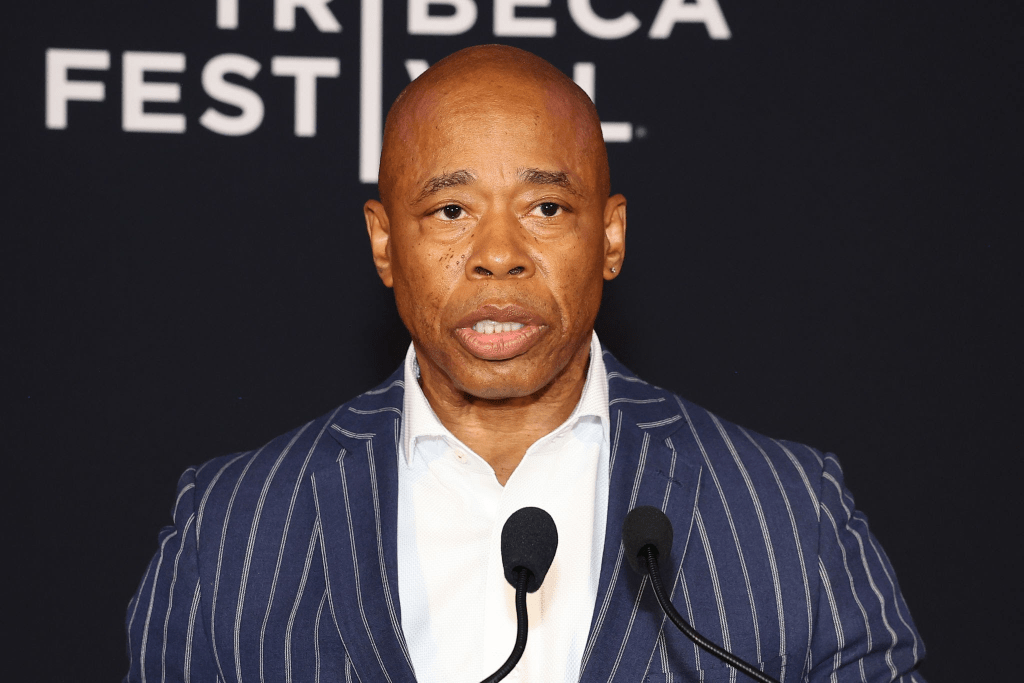
Adams’ support for New York’s sanctuary city status, which provides undocumented immigrants protection from federal immigration enforcement, has sparked controversy. His critics argue that this policy invites undocumented immigrants to strain social services, such as housing, healthcare, and education, without going through proper legal channels. For many, this feels like a departure from the principles that governed Ellis Island and America’s history of structured immigration.
A key argument in this debate is that Adams, while focusing on the compassionate message of the Statue of Liberty, overlooks another, often forgotten, sentiment: the idea of “keeping your property in your hall,” which can be interpreted as a call for America to protect its resources and citizens. The tension here lies in balancing the nation’s moral obligation to help those fleeing hardship with the responsibility to safeguard the country’s well-being and resources.
Critics of Adams argue that his policies are damaging the very fabric of New York, diverting funds and resources meant for citizens to support an influx of undocumented immigrants. They assert that America, before it can help others, must ensure its own stability. Without this foundation, the nation risks undermining the services and security it offers to its citizens.
Adams’ recent indictment, though not directly related to his immigration policies, adds fuel to the fire. Charged with corruption, bribery, and illegal foreign campaign donations, his leadership is being questioned on multiple fronts. For his critics, the indictment is a sign of deeper issues with his governance, including his handling of immigration. While his supporters argue that the charges are politically motivated, those opposed to his immigration stance believe it reflects a broader pattern of poor judgment and governance that has negatively impacted New York.
In sum, Mayor Adams’ selective interpretation of the Statue of Liberty’s message has stirred debate about how America should balance compassion with control. His policies have ignited concerns about how open immigration, without legal checks and balances, affects the nation’s resources and the lives of its citizens. For many, the lessons of Ellis Island and the full context of the Statue of Liberty’s symbolism—compassion tempered with responsibility—should guide future policy, ensuring that America remains strong while continuing to welcome those who truly seek a new beginning.
(中文 )
亚当斯市长与自由女神像:关于移民政策与被遗忘的埃利斯岛历史的辩论
纽约市长埃里克·亚当斯因其对移民问题的处理,尤其是其庇护城市政策,正面临着激烈的批评。虽然他引用了自由女神像上那句著名的诗句“把自由女神像附近的埃利斯岛是移民进入美国的主要入口。从1892年到1954年,它处理了数百万的移民,但并不是毫无管控。移民要在这里接受健康检查和法律审查,以确保他们符合进入美国的标准。这一过程体现了美国虽然欢迎那些寻求更好生活的人,但也需要有秩序你那些疲惫的、贫穷的、挤作一团、渴望自由呼吸的可怜人交给我”,为自己的政策辩护,但许多人认为他忽视了美国移民历史中的完整背景以及伴随这些政策的责任。
历史上,位于和法律结构,以维持国家的稳定。
亚当斯支持纽约市的庇护城市政策,这种政策为无证移民提供保护,使其免受联邦移民执法机构的干预,这引发了争议。他的批评者认为,这种政策鼓动了无证移民,增加了对住房、医疗和教育等社会服务的压力,而这些移民没有经过合法的渠道, 是对美国主权的侵犯。对于许多人来说,这背离了埃利斯岛和美国历史上有序移民的原则。
这一辩论的核心观点之一是,亚当斯在专注于自由女神像传达的同情信息时,却忽视了另一种常被遗忘的精神:“保留你的财产在你的厅堂”,这可以解读为美国应该保护自己的资源和公民。这里的紧张关系在于如何平衡国家对帮助那些遭受苦难者的道德义务与保护国家福祉和资源的责任。
亚当斯的批评者认为,他的政策正在破坏纽约的基础,将用于公民的资金和资源转向支持涌入的无证移民。他们坚信,美国在帮助他人之前,必须确保自身的稳定。没有这个基础,国家可能会破坏其为公民提供的服务和安全。
尽管亚当斯最近的起诉与他的移民政策没有直接关联,但它无疑加剧了对他的质疑。他被指控腐败、贿赂和非法接受外国竞选捐款,这使得他的领导力在多个方面受到质疑。对于他的批评者来说,这次起诉是他管理不当的象征,反映了包括移民问题在内的更深层次的治理问题。尽管他的支持者认为这些指控带有政治动机,但反对其非法移民立场的人认为,这体现了他在移民问题上的判断失误和对纽约的负面影响。
总之,亚当斯市长对自由女神像信息的选择性解读引发了关于美国如何在同情与管控之间取得平衡的辩论。他的政策引发了人们对在没有法律检查和制衡的情况下开放非法移民,会如何影响国家资源和公民生活的担忧。对于许多人来说,埃利斯岛的历史和自由女神像象征的完整意义——同情与责任相结合——应当指导未来的政策,确保美国在继续欢迎那些真正寻求新生活的人的同时,保持自身的强大。
 Yi-Radio