
 Posted by
 (中文在下面)
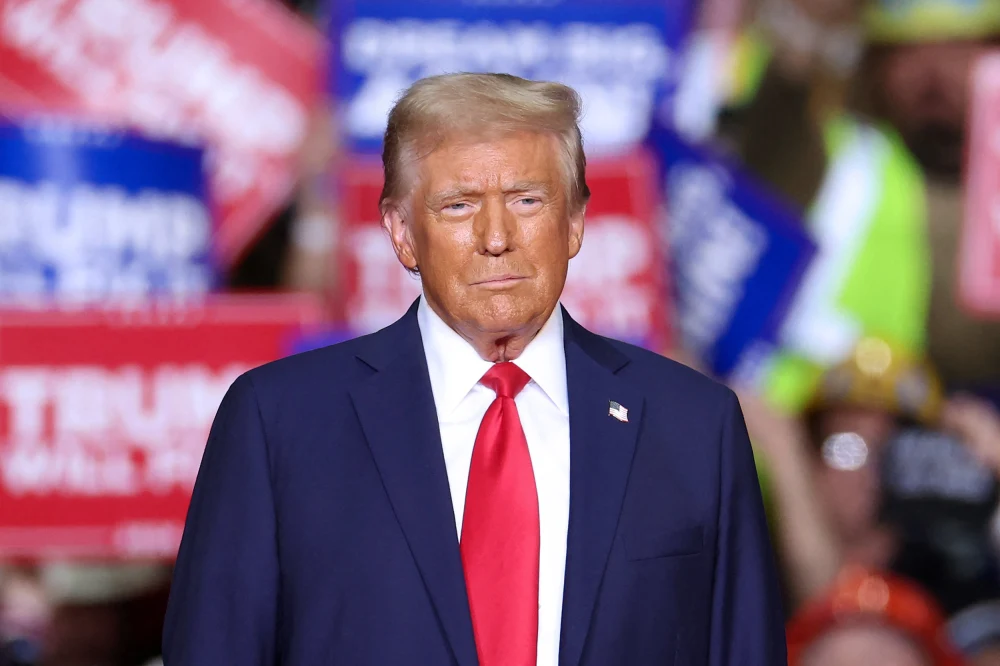
Donald Trump’s victory in the 2024 presidential election is a defining moment in American political history. Against a backdrop of unprecedented political persecution, relentless legal challenges, and a deeply divided nation, Trump’s return to the White House is a testament to his resilience, determination, and unyielding vision for America’s future. His campaign not only reignited a movement but also confronted what he identified as the greatest internal threat to the United States: large-scale illegal immigration.
While there is a historical precedent for a president returning to office after a loss, as with Grover Cleveland in the late 19th century, Trump’s comeback stands apart for its unparalleled challenges and significance. This article explores how Trump overcame immense odds to reclaim the presidency, his recognition of the border crisis as America’s existential threat, and the reforms he champions to restore the nation’s strength.
Recognizing the Border Crisis as America’s Greatest Threat
For decades, U.S. immigration policy focused on managing administrative and humanitarian aspects of the issue. Donald Trump shattered this paradigm, identifying large-scale illegal immigration as a profound threat to the nation’s sovereignty, security, and future.
Trump argued that open-border policies, which gained traction during the Obama administration and expanded under Joe Biden, undermined national security, strained local resources, and destabilized communities. To Trump, the unchecked flow of migrants was not simply a logistical challenge—it was an invasion eroding America’s identity and unity. He framed this crisis as a greater threat than external adversaries like Russia, or Middle Eastern powers, emphasizing that internal decay poses the most significant danger to any great nation.
During Biden’s presidency, the U.S. experienced record numbers of border encounters, overwhelming infrastructure and exacerbating public safety concerns. For Trump, this was proof that open-border policies were steering the country toward collapse. His return to power was fueled by his commitment to reversing this trajectory and prioritizing the needs of American citizens.
Trump’s Policies: A Bold Vision for Reform
Throughout his campaign and presidency, Trump proposed sweeping reforms to address the border crisis and secure America’s future. His policies include:
- Border Security: Building physical barriers, deploying advanced surveillance technology, and increasing border patrol personnel to deter illegal crossings.
- Ending Sanctuary Policies: Denying federal funds to cities that refuse to cooperate with immigration enforcement.
- Overhauling Asylum Laws: Closing loopholes that incentivize illegal immigration while ensuring protections for legitimate asylum seekers.
These reforms directly challenge powerful interests, including employers exploiting undocumented labor, human trafficking cartels, and political groups leveraging immigration for partisan gain. Trump’s willingness to confront these entrenched systems underscores his commitment to restoring the rule of law and safeguarding America’s sovereignty.

A Historic Comeback
Trump’s 2024 victory evokes comparisons to Grover Cleveland, the only other U.S. president to serve two non-consecutive terms. Cleveland’s return in 1892, however, was largely driven by shifting political dynamics and traditional campaigning. By contrast, Trump’s comeback occurred under circumstances far more fraught with adversity.
No president in American history has faced the level of resistance and scrutiny Trump endured. While campaigning, he was embroiled in multiple legal battles, including indictments for alleged election interference and mishandling classified documents. These cases, widely viewed by his supporters as politically motivated, became a rallying cry for his base, highlighting Trump’s resilience against what they saw as an entrenched establishment intent on dismantling his movement.
Cleveland’s return, though notable, was a political challenge; Trump’s journey, by comparison, was a battle for the soul of the nation. This distinction underscores why Trump’s comeback is considered one of the most extraordinary feats in U.S. political history.
Leadership Amidst Adversity
Trump’s leadership style—marked by boldness, unpredictability, and an unwavering focus on results—has been both his greatest asset and the source of intense controversy. His first term as president (2016–2020) was characterized by significant achievements, including:
- The Abraham Accords, which fostered peace in the Middle East.
- A tough stance on adversaries like Russia, Iran, and North Korea.
- Policies promoting energy independence and economic revitalization.
A notable endorsement during his 2024 campaign came from a prominent movie star who called Trump the “second George Washington,” praising his determination to preserve the nation. This comparison resonated with supporters who saw Trump as a leader willing to sacrifice everything to protect American values and sovereignty.
The Risks of Reform
History shows that reformers who challenge the status quo often face intense resistance. Figures like Julius Caesar, who sought to reform Rome’s governance, and Abraham Lincoln, who abolished slavery, paid steep personal prices for their transformative visions. Caesar was assassinated by political rivals, while Lincoln’s life was cut short by an assassin’s bullet after preserving the Union during the Civil War.
Trump’s bold agenda to reform immigration and confront entrenched interests places him in this historical lineage of reformers. His willingness to take on powerful entities that benefit from the current system makes him both a transformative leader and a polarizing figure. Supporters hope his resilience will ensure his success, while critics warn of the challenges ahead.
Hope for the Future
Trump’s victory in 2024 is not just a political achievement; it is a reflection of a broader movement to restore America’s strength and sovereignty. His supporters see him as a unique leader with the vision and courage to tackle the nation’s most pressing challenges, particularly the border crisis, which he identified as the greatest internal threat in U.S. history.
As Trump begins his second term, the path forward will be fraught with resistance. However, his resolve, coupled with the belief of millions of Americans who share his dream, may guide him toward achieving his vision for a stronger, more united nation.
A Legacy of Transformation
Donald Trump’s comeback in 2024 is unparalleled in American history. While Grover Cleveland’s return set a precedent, Trump’s journey redefined the meaning of resilience and leadership under fire. His ability to withstand unprecedented persecution, challenge entrenched systems, and reclaim the presidency cements his place as a transformational figure in U.S. politics.
For Trump and his supporters, the fight is not just about policy—it is about the future of America. His legacy will undoubtedly spark debate for generations, but one thing is clear: Donald Trump has forever altered the trajectory of the nation, and his dream of restoring its greatness will remain a pivotal chapter in its history.
中文:
川普:世纪的回归与美国的历史转折点
川普在2024年总统大选中的胜利是美国政治历史上的一个重要里程碑。在前所未有的政治迫害、持续的法律挑战以及深度分裂的国家背景下,川普能重返白宫是他韧性、决心以及对美国未来不懈追求的最好证明。他的竞选不仅激发了一场运动,还直面了他认为对美国构成最大内部威胁的问题:大规模非法移民。
虽然美国历史上也有总统在败选后再次当选的先例,例如19世纪末的格罗弗·克利夫兰,但川普的回归因其无与伦比的挑战和意义而独树一帜。本文探讨了川普如何克服重重困难而重新赢得总统宝座,和他对边境危机对美国存在性威胁的深刻认识,以及他倡导的改革如何重塑美国国家力量。
认识到边境危机是美国的最大威胁
几十年来,美国的移民政策主要集中在管理行政或人道主义方面的问题。川普打破了这一传统,他认为大规模非法移民是对国家主权、安全和未来的深刻威胁。
川普认为,开放边境政策——从奥巴马政府时期开始并在乔·拜登时期加剧——削弱了国家安全,加重了地方资源负担,并破坏了社区的稳定。对川普而言,非法移民危机不仅仅是一个后勤问题,而是一场逐步侵蚀美国身份认同和团结的危机。他将这一危机定义为比俄罗斯或中东国家等外部对手带来的威胁更为严重的问题,并强调内部腐蚀对任何伟大国家而言都是最大的危险。
在拜登执政期间,美国经历了创纪录的边境偷渡人数,这使基础设施不堪重负并加剧了公众对安全的担忧。对川普来说,这证明了开放边境政策正在将国家推向灾难。他的回归正是为了扭转这一趋势,并将美国公民的利益放在首位。
川普的政策:一个大胆的改革愿景
在他的竞选和总统任期内,川普提出了一系列全面改革措施,以应对边境危机并确保美国的未来。他的政策包括:
第一、边境安全:建造边境墙、部署先进监控技术、增加边境巡逻人员以阻止非法入境。
第二、终结庇护政策:终止向那些拒绝配合移民执法的庇护城市提供联邦资金。
第三、改革庇护法:堵住激励非法移民的法律漏洞,同时确保为真正的庇护申请者提供保护。
同时, 他还要精简联邦政府机构。
这些改革直接挑战了许多从现状中获益的强大利益群体,包括剥削非法劳工的雇主、通过贩运人力获利的贩运集团以及利用移民议题谋取政治利益的组织和政客。川普敢于与这些深植的体系对抗,彰显了他恢复法律和秩序以及维护美国主权的决心。
一个历史性的回归
川普2024年的胜利让人联想到格罗弗·克利夫兰,他是唯一一位在两次非连续任期中担任总统的美国领导人。然而,克利夫兰在1892年的回归主要依靠的是政治动态的变化和传统的竞选方式。相比之下,川普的回归是在更加充满挑战和敌意的环境中实现的。
没有任何美国总统在历史上经历过川普所面临的抵制和司法迫害。在竞选期间,他身陷多起法律诉讼,包括涉嫌干涉选举和处理机密文件的指控。这些案件被他的支持者广泛视为是带有政治目的的行动,并成为凝聚其基本盘的口号,突显了川普在面对他们认为是腐败建制派时的韧性。
克利夫兰的回归尽管意义重大,但更多的是一场政治挑战;而川普的回归更像是一场为国家灵魂而战的斗争。这一差异凸显了川普回归的非凡性和历史意义。
在逆境中的领导力
川普的领导风格——大胆、不拘一格、专注于结果——既是他最大的优势,也是引起争议的地方。他的第一任总统任期(2016年至2020年)以显著成就为标志,包括:
第一、《亚伯拉罕协议》:促进中东地区的和平。
第二、对俄罗斯、伊朗等对手采取强硬立场。
第三、推动能源独立和经济振兴的政策。
在2024年的竞选大胜后,著名电影明星斯泰龙称川普为“第二个乔治·华盛顿”,赞扬他为保护国家所展现出的决心。这个比喻深深打动了他的支持者,他们认为川普是一个愿意为美国价值观和主权付出一切的领导者。

改革的风险
历史表明,改革者在挑战现状时往往会面临巨大的阻力。历史人物如尤利乌斯·凯撒和亚伯拉罕·林肯的经历印证了这一点。凯撒试图改革罗马的治理结构,却因触怒元老院而被刺杀;林肯在维护联邦统一和废除奴隶制的过程中,为他的改革理想付出了生命的代价。
川普为改革移民政策并挑战现有利益体系的大胆议程使他成为这一历史传承中的一员。他敢于面对从当前体系中获益的强大势力,使他成为一位变革性领导者,同时也是一位引发争议的人物。支持者希望他的韧性能够确保他的成功,而批评者则警告改革将面临的巨大挑战。
对未来的希望
川普在2024年的胜利不仅是他个人政治上的成就,也是一个反映美国力量与主权回归的运动。他的支持者认为,他是唯一能够解决国家最紧迫挑战的领导者,尤其是他揭示的美国历史上最严重的内部威胁——边境危机。
随着川普开启第二个任期,前方的道路必然充满阻力。然而,他的决心,以及与他梦想一致的数千万美国人的信念,可能会引领他实现其对一个更强大、更团结的国家的愿望。
一个变革的遗产
唐纳德·川普在2024年的回归是美国历史上独一无二的事件。虽然格罗弗·克利夫兰的回归开创了先例,但川普的历程重新定义了在逆境中展现的韧性和力量。他能够经受前所未有的迫害,挑战根深蒂固的旧体系并重新赢得总统宝座,这巩固了他作为美国政治变革性人物的历史地位。
对于川普及其支持者来说,这场斗争不仅关乎现有政策,也关乎美国的未来。他的政治遗产无疑将在未来几代人中引发争论,但毫无疑问,他对美国发展轨迹的影响将永远铭刻在美利坚的历史丰碑之上。
 Yi-Radio