 Posted by
 YOUTHTALKS YOUNG REPORTER SERIES
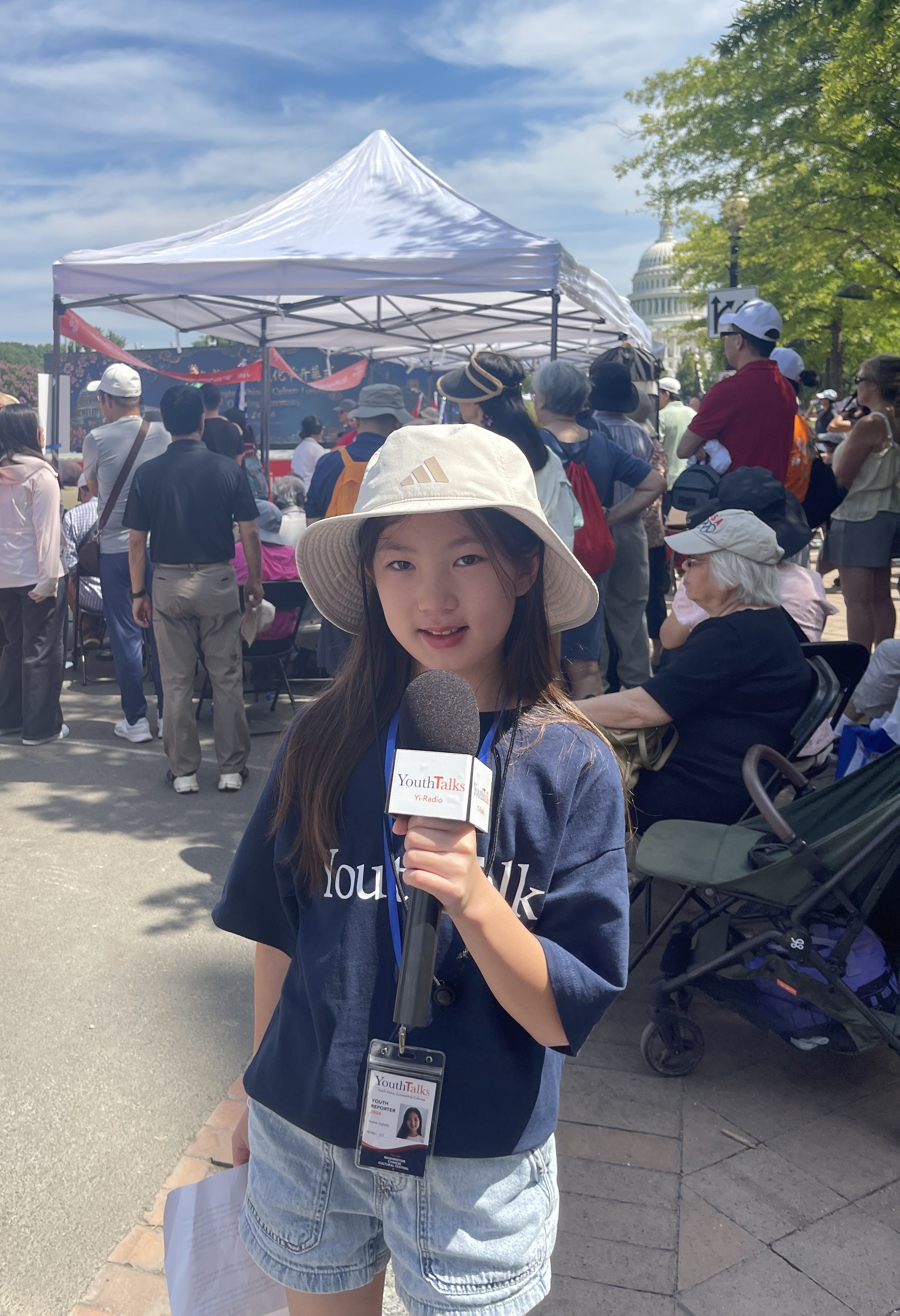
YouthTalks young reporter Hanlee Zhang, Chole Gu, Isabella Fan explore how sharing Chinese traditions can encourage cultural understanding and bring community closer together
Reported and written by Hanlee Zhang
YouthTalks Young Reporter · Team 1
WASHINGTON, D.C. — At the 24th Washington Chinese Culture Festival, the streets were filled with colorful costumes, traditional performances, Chinese food, and visitors from many different cultural backgrounds. As a YouthTalks young reporter, I wanted to find out how Chinese traditions could help bring these different people together.
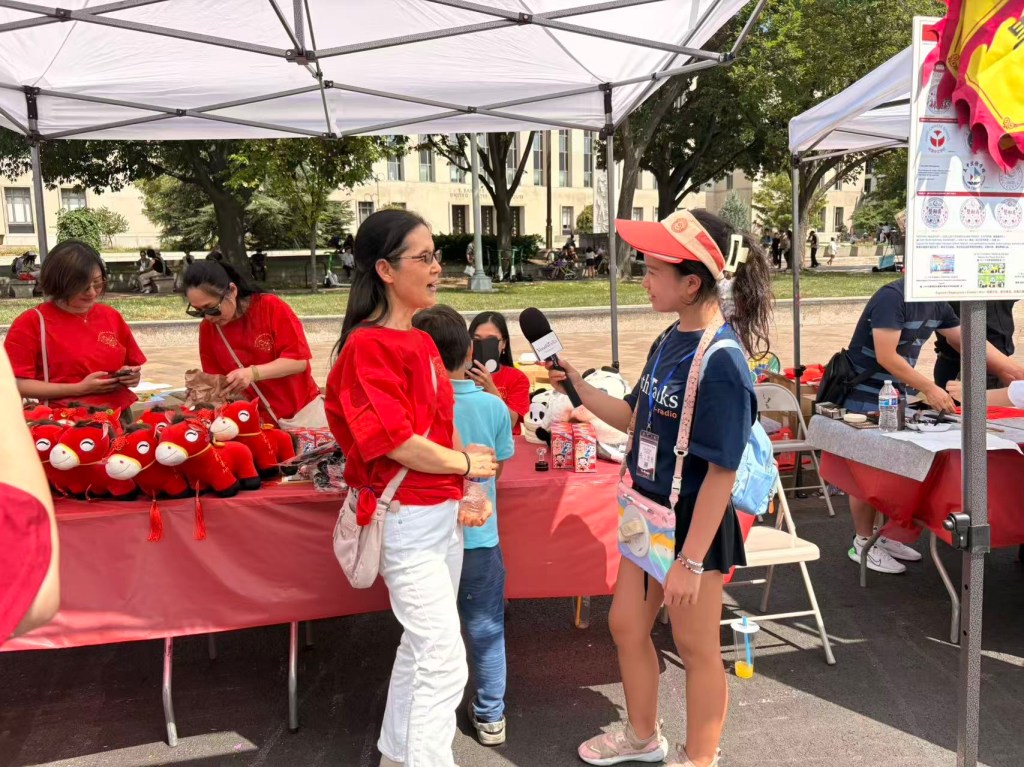
My first stop was a bubble tea stand. The vendor explained that the drinks were made with traditional teas, fresh ingredients, and flavors connected to China. The stand uses different varieties of tea and pure cane sugar to preserve the taste of the tea without making the drinks overly sweet.
The vendor also explained that bubble tea, although it first became popular in Asian communities, has now grown into a drink enjoyed by people around the world. It no longer matters where a customer comes from—people from many backgrounds can enjoy the same drink and learn something about the culture behind it.
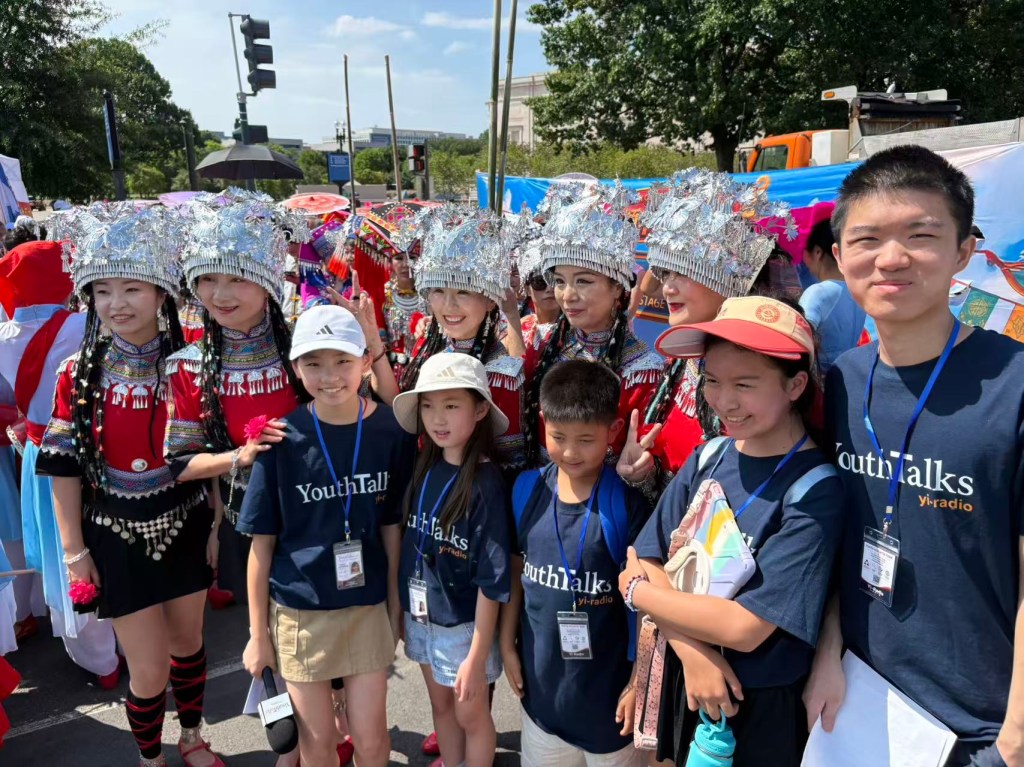
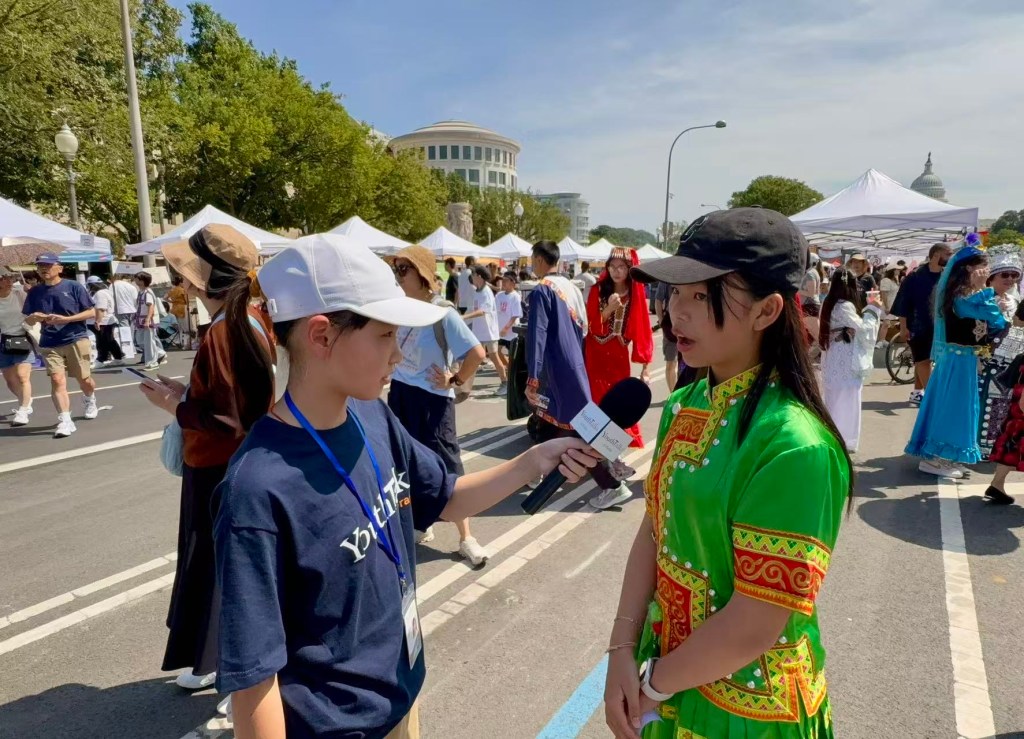
Food was only one part of the festival. YouthTalks reporters also spoke with performers wearing beautiful traditional costumes. They explained that participating in cultural festivals allows them to share their traditions with the public and help more people learn about different aspects of Chinese culture.
Young dancers introduced a traditional Chinese dance inspired by Dunhuang culture. They said that dancing was their way of celebrating the Chinese culture they love. Their costumes, movements, and performance transformed cultural history into something festival visitors could see and experience in person.
Visitors also shared what brought them to the festival and what impressed them most. One family had traveled from several places, including Pennsylvania, New York, and Korea, to spend the day together. They enjoyed watching the performances, including a Chinese jump-rope presentation.
Another visitor said that people from many cultures could attend the festival, enjoy themselves together, and get along. He also spoke enthusiastically about Chinese food and named mapo tofu as one of his favorite dishes.
The interviews showed that visitors did not need to have a Chinese background to appreciate the festival. Some came because of their families, some came for the food, and others were interested in the performances. Once they arrived, they all shared the same space and experienced Chinese culture together.
After speaking with the vendors, performers, and visitors, I learned that cultural festivals are about much more than food and entertainment. They give people an opportunity to ask questions, discover unfamiliar traditions, and talk with people they might not otherwise meet.
Chinese traditions can connect people through something as simple as tasting a cup of tea or watching a dance. These shared experiences help people better understand one another and remind us that culture can build connections across languages, backgrounds, and generations.
This is HanLee reporting for the YouthTalks Young Reporter Series, presented by Yi-Radio.
中国传统如何将人们联系在一起
YouthTalks 小记者 HanLee 报道
华盛顿特区讯——第24届华盛顿中国文化节现场,色彩绚丽的民族服饰、精彩的传统表演、丰富的中华美食,以及来自不同文化背景的游客,共同构成了一幅热闹而多元的文化画卷。作为YouthTalks小记者,我希望通过采访了解:中国传统文化如何将不同背景的人们联系在一起?
我的第一站是一家珍珠奶茶摊位。摊主介绍,他们使用传统茶叶、新鲜食材,以及来自中国大陆和台湾地区的原料制作饮品。为了保留茶本身的味道,他们选用不同种类的茶叶和纯蔗糖,使奶茶香甜可口,却不会过于甜腻。
摊主还告诉我,珍珠奶茶最初主要流行于亚洲人社区,如今已经成为世界各地许多人都喜爱的饮品。无论顾客来自哪里,大家都可以品尝同一种饮品,同时了解它背后的文化。
当然,美食只是文化节的一部分。YouthTalks小记者还采访了身穿精美民族服饰的表演者。她们表示,参加文化节可以让她们向公众展示自己的传统,也让更多人了解中华文化丰富多彩的一面。
年轻的舞蹈演员还介绍了一支以敦煌文化为灵感的中国传统舞蹈。她们说,舞蹈是她们庆祝和分享自己所热爱的中华文化的一种方式。优美的服装、舞姿和表演,让观众能够亲眼看到并感受到中华文化的魅力。
来自不同地方的游客也分享了他们参加文化节的原因,以及当天印象最深刻的活动。一个家庭的成员分别从宾夕法尼亚州、纽约和韩国来到华盛顿,一起参加这场文化盛会。他们观看了多项表演,其中中国跳绳表演给他们留下了深刻印象。
另一位游客表示,来自不同文化背景的人们可以在这里共同参加活动、享受节日,并友好相处。他还兴奋地谈到了自己对中国菜的喜爱,并表示麻婆豆腐是他最喜欢的中国菜之一。
这些采访让我看到,人们并不需要拥有中国文化背景,也可以欣赏和享受中国文化节。有些人因为家人来到这里,有些人是被美食吸引,还有一些人希望观看精彩的文化表演。来到文化节后,他们在同一个空间里共同体验中华文化。
通过采访摊主、表演者和游客,我认识到,文化节不仅仅是美食和娱乐。它还为人们提供了提出问题、认识不同传统,以及与平时可能没有机会接触的人交流的机会。
中国文化可以通过一杯茶、一种美食或一场舞蹈,将不同的人联系在一起。这些共同的体验能够帮助我们更好地理解彼此,也让我们看到,文化可以跨越语言、背景和年龄,建立人与人之间的联系。
HanLee Zhang YouthTalks小记者系列报道。

